
Portfolio Case Study
Enterprise Training Standardization Initiative
I designed and implemented a global training framework for 2,500+ employees in 20+ countries across more than 100 locations, connecting role-based requirements with the learning management system (LMS) and enterprise reporting.
Selected artifacts illustrate the design and implementation approach. Excerpts are shown to protect proprietary content.
Key deliverables
Tools that put the framework into practice
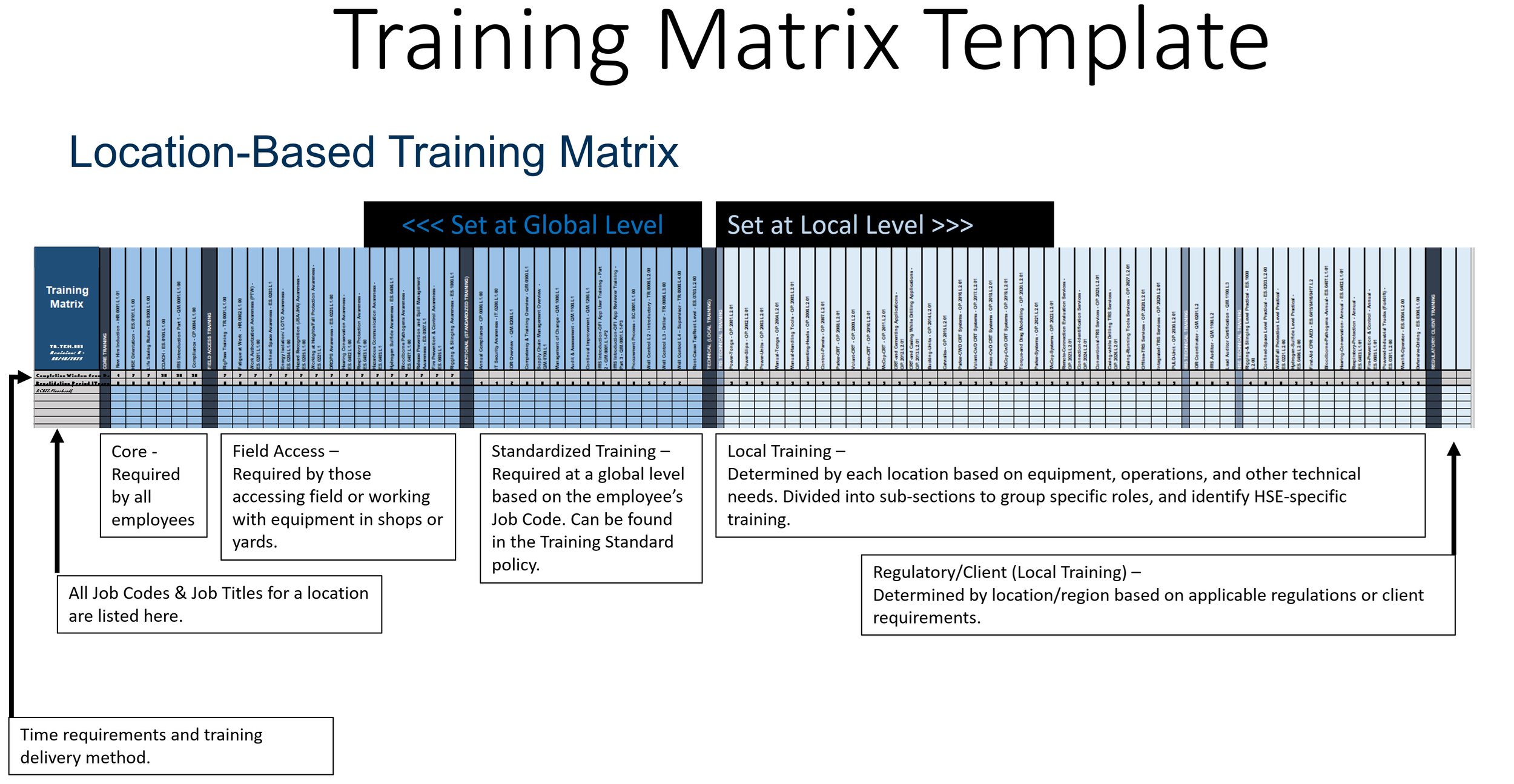
Training Matrix Framework
Organized global and local training requirements by role.
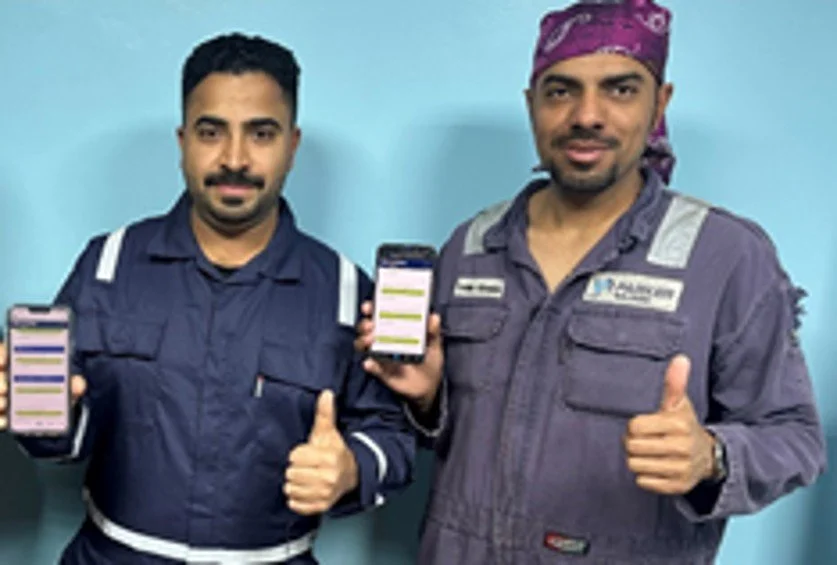
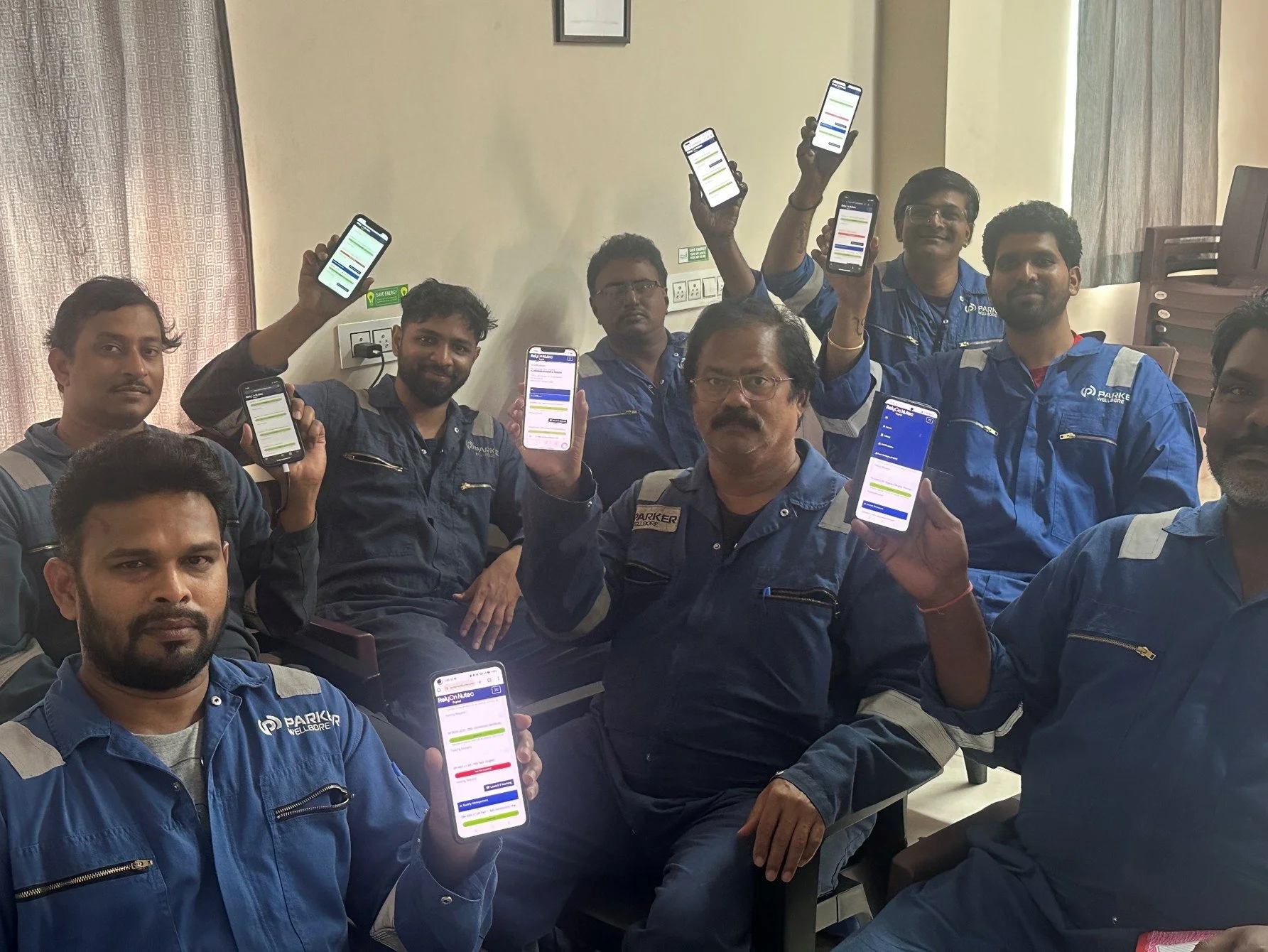
Mobile Learning
Made assigned training accessible to field employees.
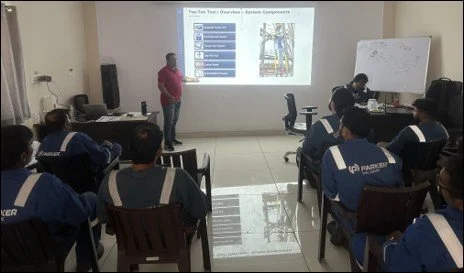
Virtual & Classroom Training
Supported technical learning across distributed locations.
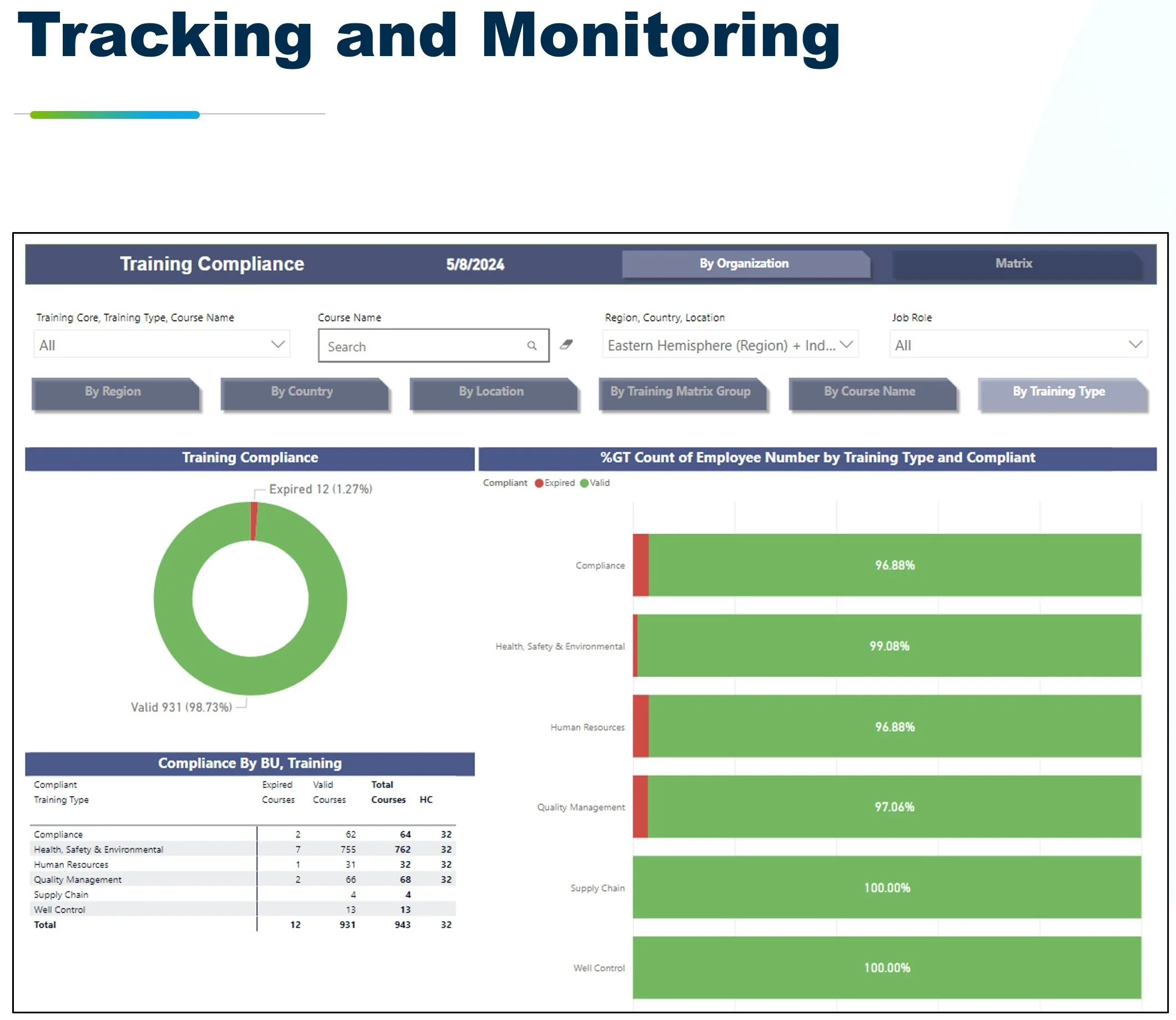
Power BI Compliance Dashboard
Gave supervisors visibility into training completion and compliance.
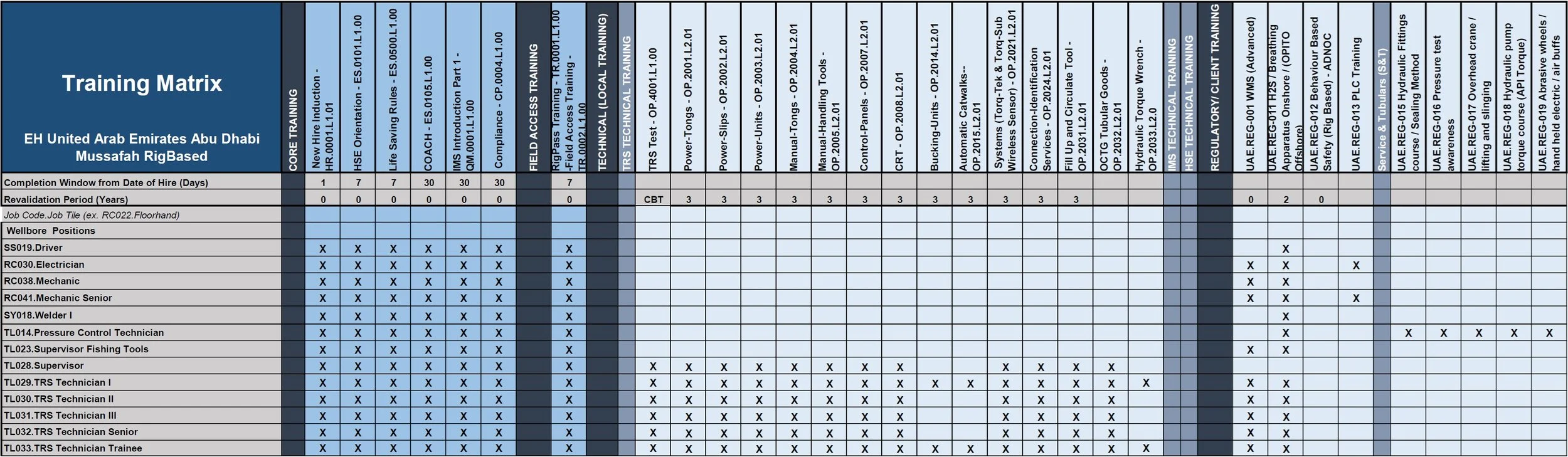
UAE Location Training Matrix
Shows how one operating location combined enterprise training requirements with local operational, regulatory, and client needs, organized by role.
At a glance
The challenge
Creating consistency without losing local relevance
Training requirements varied across countries, business units, and operating locations. I needed to establish a common baseline that could also accommodate local regulations, client expectations, equipment, and operational needs.
Inconsistent Requirements
Training expectations varied across locations, roles, and business units.
Global Scale
The solution had to work for 2,500+ employees in 20+ countries across more than 100 locations.
Local Requirements
Locations needed a way to incorporate their own regulatory, client, equipment, and operational requirements.
Solution architecture
A global framework with local flexibility
I organized the framework into global and local layers. Global requirements established a common baseline; local requirements addressed the equipment, operations, regulations, and clients specific to each location.
Implementation
From design to deployment
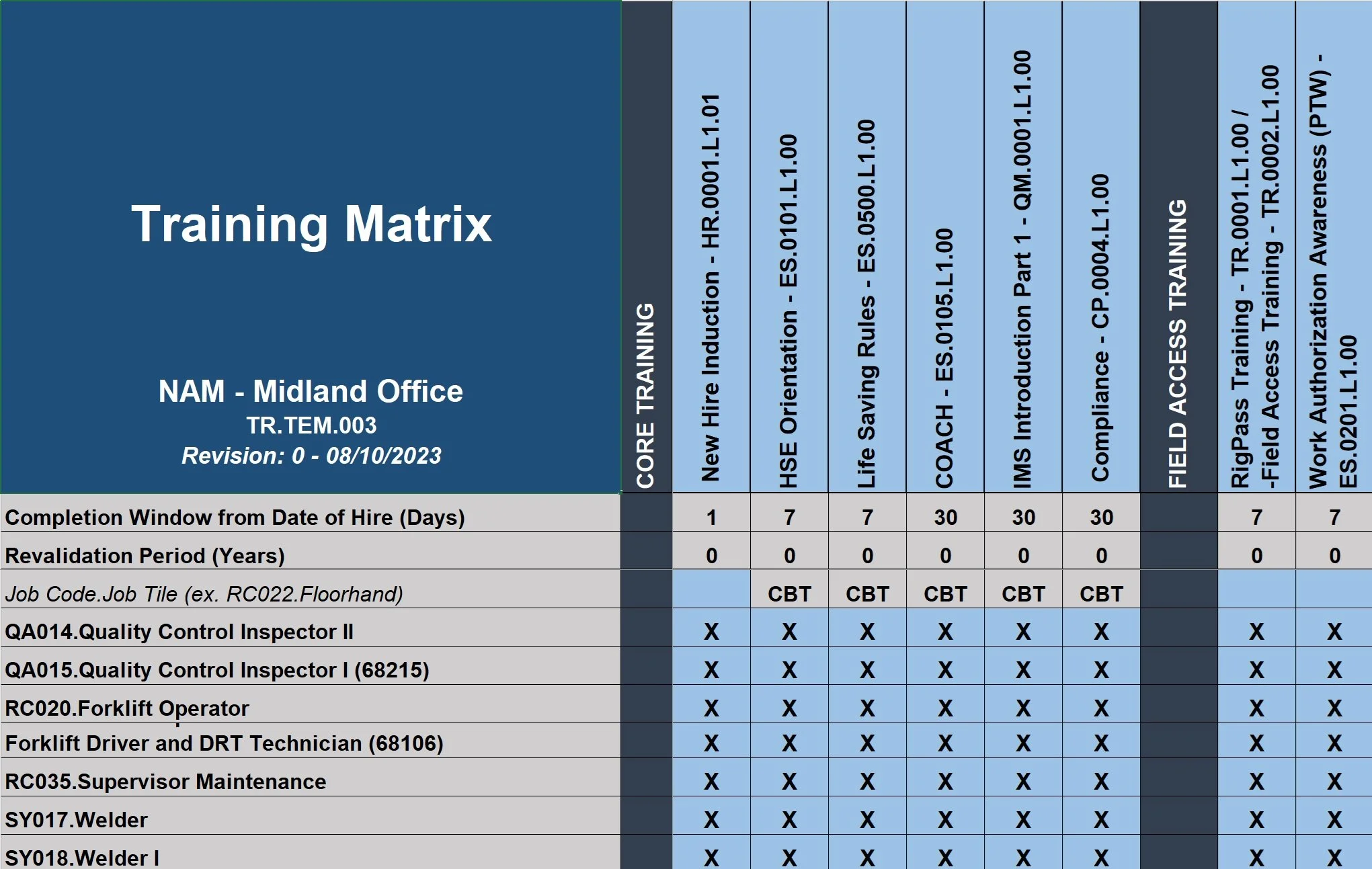
Training Matrix Design
I designed and deployed 150+ training matrices covering 400 unique courses, mapping requirements to job codes and locations so employees had clear learning expectations for their role and work environment.
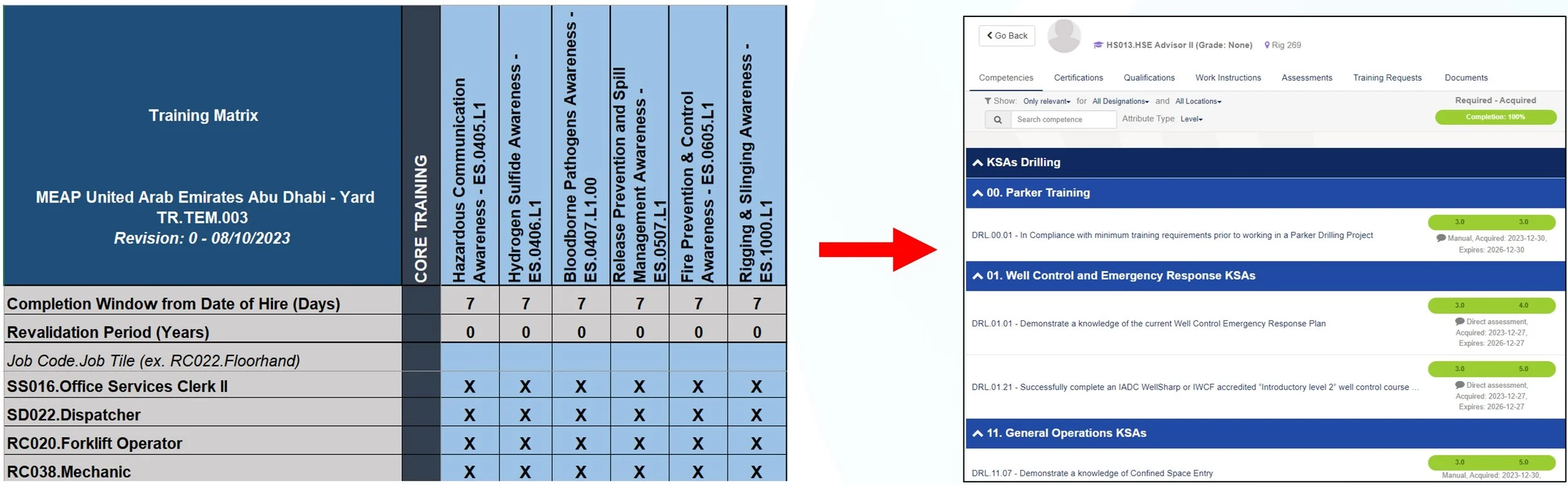
LMS Assignment & Mobile Access
I aligned the training matrices with the LMS to support assignments by role and location, along with mobile access for field employees.
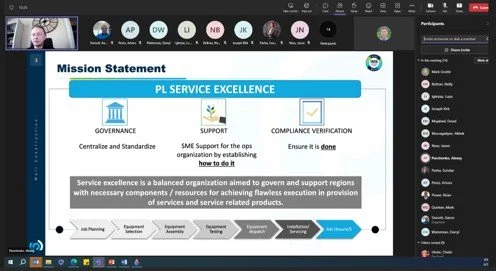
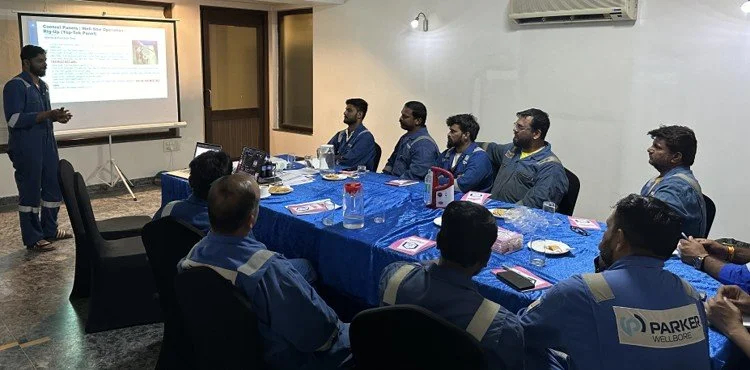
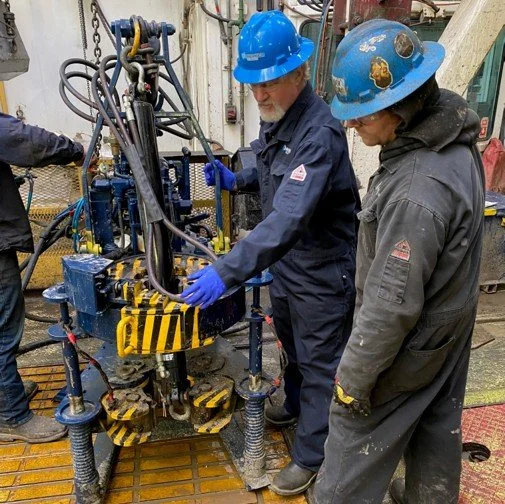
Blended Training Delivery
The Parker Wellbore rollout combined virtual instructor-led training (VILT), classroom instruction, and mobile access. The Power Tong examples show how training for connecting casing on drilling rigs was delivered to employees in different locations.
Tracking & Supervisor Notifications
The LMS tracked 50,000+ course completions and 70,000+ competency records. Power BI dashboards gave leaders visibility into training completion and compliance. Automated notifications alerted supervisors when employees were no longer compliant with their assigned requirements.
My role
Leading the standardization effort
As Global Technical Training Manager at Parker Wellbore (2022–2025), I led a global cross-functional team of 10 professionals. My responsibilities spanned learning strategy, requirements analysis, training-matrix design, LMS integration, delivery, and reporting.
- Developed the learning strategy and training architecture to connect business and workforce needs with consistent training requirements.
- Partnered with business leaders, subject-matter experts, and regional stakeholders to confirm role requirements and local operating needs.
- Designed the global and local training matrices, defining requirements by role and location.
- Led program implementation, including job-code mapping, LMS assignments, delivery, tracking, and reporting.
- Integrated the framework with the LMS to support role-based assignments and mobile access.
- Used learning analytics and Power BI reporting to track completion and compliance and support supervisor notifications.
- Managed the global training budget and resource allocation, aligning learning projects with business priorities, timelines, and return on investment.
- Supported blended delivery through virtual and classroom instruction, mobile access, and location-specific technical training.
Impact
Why it mattered
Consistency
Created a repeatable training standard across a distributed global workforce.
Visibility
Improved leadership visibility into required training and completion status.
Scalability
Built a framework that could accommodate new roles, locations, and changing operational requirements.